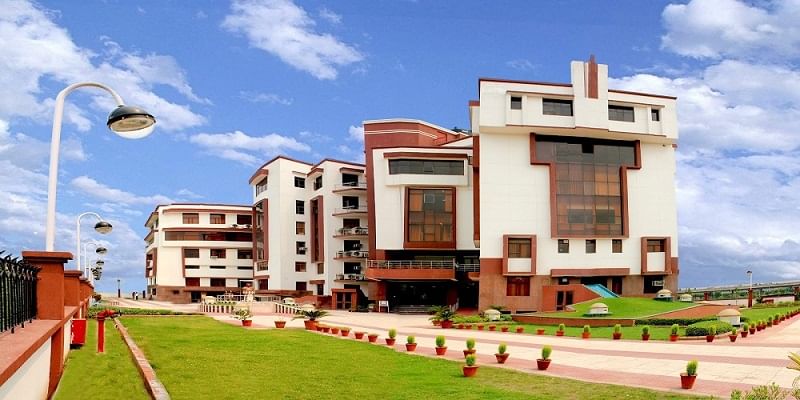
Delhi University (DU) is a premier Central University established in 1922 by an Act of Parliament. The university has been recognized by UGC as an 'Institute of Excellence and accredited by NAAC with an A++ Grade. As per NIRF 2025 rankings, the University of Delhi is ranked 5th in the University category & 15th in the overall category. DU offers a diverse range of undergraduate (UG), postgraduate (PG), and doctoral programs, including BA (Hons) Economics, B.Com (Hons), BA (Hons) English, MA, M.Sc, MBA, and PhD.
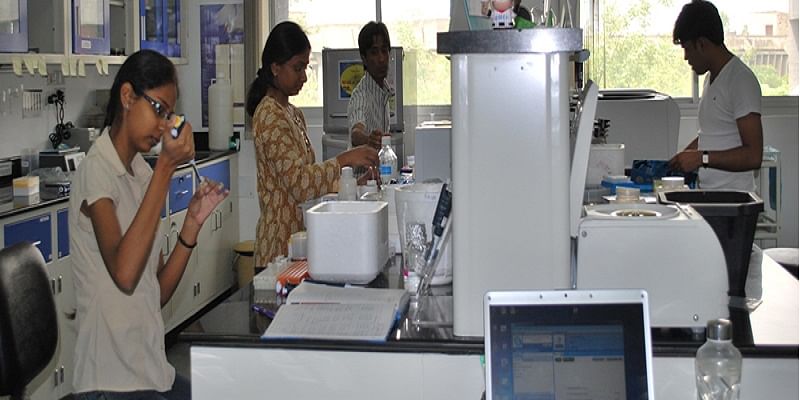
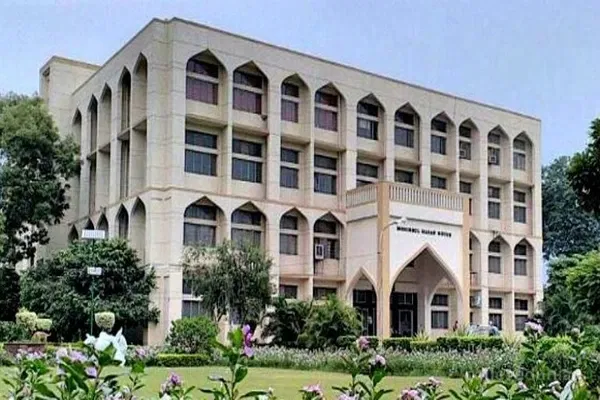
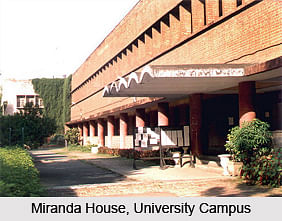
University of Delhi admissions are largely based on CUET for UG and CUET PG for PG courses, while specialized programs accept scores from CAT, JEE Main, or other relevant entrance exams. The university has over 90 affiliated colleges, including premier institutions such as St. Stephen’s College, Lady Shri Ram College (LSR), Hindu College, and Miranda House. Its main campuses in North and South Delhi host state-of-the-art research centers, libraries, and laboratories, promoting innovation and academic excellence.
DU also boasts strong placement opportunities, with top recruiters including KPMG, Deloitte, EY, Goldman Sachs, Microsoft, and Tata Consultancy Services. In 2025, top Delhi University colleges witnessed impressive placement offers. Miranda House recorded the highest package of INR 19 LPA, Kirori Mal College INR 24.8 LPA, and SRCC INR 36 LPA.
Delhi University is one of the most famous universities in India. Several departments of DU, including chemistry, geology, zoology, sociology, and history, have been awarded the Centres of Advanced Studies status. Other highlighting features are given below:
| Delhi University Highlights |
| Year of Establishment |
1922 |
| Type of University |
Public |
| Chancellor |
Vice-President of India |
| Visitor |
President of India |
| Accreditations |
NAAC (A++), UGC |
| Recognition |
NIRF, CWUR, Institute of Eminence (IOE) by the MHRD |
| No. of Affiliated Colleges |
90 |
| Courses Offered |
Undergraduate, Postgraduate, Doctorate, Diploma, PG Diploma, Open Learning (Distance) |
| No. of Departments |
86 |
| No. of Delhi University Courses Offered |
500+ |
| No. of Academic Staff |
1090 |
| Infrastructure Facilities |
Library, Sports, Hostel, Computer Centre |
| Delhi University Address |
New Delhi, India |
Most Commonly Asked Questions about Delhi University
Q: Is DU a tier 1 college or not?
A: Yes, the University of Delhi is considered a Tier 1 institution in India. Its consistent top-tier performance in national rankings (NIRF Rank 5 University), its recognition as an Institution of Eminence (IoE) by the UGC, and its globally distinguished faculty and alumni network establish it firmly among the highest-ranked and most prestigious universities in the country.
Q: How hard is it to get into Delhi University?
A: Admission to the University of Delhi is highly competitive, especially for top colleges and flagship courses like B.Com (Hons) and B.A. (Hons) Economics. The admission cutoffs, based on CUET scores, are typically in the 98th to 100th percentile range. While competition is intense, preparation for the CUET exam is the most crucial step for securing a seat.
Q: What is the key advantage of a DU degree?
A: The key advantage of a Delhi University degree is the brand value and the resultant career launchpad it provides. The combination of its highly subsidized fees for regular programs and the excellent placement opportunities offers an unparalleled Return on Investment (ROI). Furthermore, the wide alumni network offers lifelong professional connections and mentorship opportunities.
The University of Delhi offers 79+ UG, 88+ PG, PhD, diploma, and programs. Popular programss include BA (Hons) Economics, B.Com (Hons), B.Sc (Hons.), MA, M.Sc, and M.Com. Candidates must have completed 10+2 with the required CUET subject combinations to apply for UG courses at DU. For a deeper dive into the specific course structures, specializations, and detailed fee breakdown, prospective students should review Delhi University Courses & Fees 2026.
| Program |
Duration |
Eligibility |
| B.A. (Hons.) |
3 years |
10+2 with 50% marks + CUET UG |
| B.Com (Hons.) |
3 years |
10+2 with 45%-50% marks + CUET UG |
| B.Sc. (Hons.) |
3 years |
10+2 with Science (PCM/PCB) with 50% marks + CUET UG |
| BBA |
3 years |
10+2 with about 45%–60% marks (as per program) + CUET UG |
| B.Tech |
4 years |
10+2 with Physics, Chemistry, Mathematics and 60% marks + JEE Main |
| M.A. |
2 years |
Bachelor’s degree with 50% marks + CUET PG |
| LL.B. |
3 years |
Bachelor’s degree with 50% marks + CUET PG |
| M.Sc. |
2 years |
B.Sc with 50% marks + CUET PG |
| MBA |
2 years |
Bachelor’s degree with 50% marks + CAT |
| Ph.D. |
3-6 years |
Master’s degree with 55% marks + DUET/NET/JRF |
Most Commonly Asked Questions about Delhi University Courses
Q: Which is the most demanded course in DU?
A: The most demanded undergraduate courses in Delhi University typically fall under the Commerce and Humanities streams, with B.Com (Hons) from SRCC and B.A. (Hons) Economics from top colleges like Hindu and Stephen’s consistently receiving the highest number of applications and setting the highest cutoff scores. The academic rigour and superior placement prospects associated with these programs drive the intense competition every admission cycle.
Q: Can I change my course after getting admission in DU?
A: Direct course change after getting admission in DU is generally not allowed under the centralized Delhi University Admission 2026 rules. You must withdraw your current admission and apply for a vacant seat in a different program during the ongoing allocation rounds via the DU CSAS portal 2026. Alternatively, inter-course migration is usually permitted only after the first year, subject to strict eligibility and seat availability, and requires approval from the university registrar.
Q: Which are the top Delhi University (DU) colleges for courses like B.Com, BA, BBA, B.Tech, and MBA?
A: For Delhi University, top colleges include Shri Ram College of Commerce (B.Com Hons), Lady Shri Ram College (BA Hons), Shaheed Sukhdev College of Business Studies (BBA), Netaji Subhas Institute of Technology (B.Tech), and Faculty of Management Studies (MBA), offering excellent academics, placements, and infrastructure.
Delhi University fees for undergraduate (UG) programs like B.Com (Hons), BA (Hons), BA, and B.Sc range from ₹21,000 to ₹48,000 for regular aided seats for the entire course duration. For postgraduate (PG) programs such as MA, M.Sc, and M.Com, the 2-year program fees range from ₹18,000 to ₹30,000.
Professional and self-financed programs at Delhi University, including BMS, BBA (FIA), B.Tech, PG Diplomas, and MBA, have higher tuition fees ranging from ₹45,000 to ₹1,00,000 per year. B.Tech programs cost approximately ₹5.60 – ₹6.20 Lakhs for 4 years, while MBA programs (FMS & self-financed DU colleges) range from ₹2.40 – ₹4.00 Lakhs+ for the full duration.
| Program |
Total Tuition Fees |
| B.A. (Hons.) |
₹24,000 – ₹39,000 |
| B.Com (Hons.) |
₹28,500 – ₹42,000 |
| B.Sc. (Hons.) |
₹31,500 – ₹48,000 |
| BBA |
₹60,000 – ₹1,00,000 |
| B.Tech |
₹5.60 – ₹6.20 Lakh |
| M.A. |
₹18,000 – ₹23,000 |
| LL.B. |
₹22,500 – ₹30,000 |
| M.Sc. |
₹22,000 – ₹30,000 |
| MBA |
₹2.43 Lakh |
| Ph.D. |
₹20,000 – ₹30,000 |
Note: The fees data given above are indicative and may vary from one DU college to another.
Delhi University Fees for Top Colleges
Delhi University annual fees for top colleges range from ₹13,000 to ₹65,000, depending on the program and institution. Premium colleges like SSCBS charge ₹50,000–₹65,000, while fees for traditional arts and science colleges such as LSR, Hindu College, Ramjas, and St. Stephen’s range between ₹13,000–₹25,000 annually.
| College Name |
Popular Courses |
Annual Fee |
| St. Stephen's College |
B.A. (Hons.) Economics, B.Sc. (Hons.) |
₹20,000 – ₹25,000 |
| Hindu College |
B.Com (Hons.), B.Sc. (Hons.) Physics |
₹18,000 – ₹20,000 |
| Lady Shri Ram College (LSR) |
B.A. (Hons.) Political Science, B.Com (Hons.) |
₹13,000 – ₹17,500 |
| Shaheed Sukhdev College of Business Studies |
BBA, BMS |
₹50,000 – ₹65,000 |
| Ramjas College |
B.A. (Hons.) History, B.Sc. (Hons.) |
₹13,000 – ₹15,000 |
Most Commonly Asked Questions about Delhi University Fees
Q: Which DU college is the cheapest?
A: Among Delhi University colleges, regular aided programs in colleges like Kirori Mal College, Ramjas College, and Hindu College are among the most affordable. UG courses typically cost between ₹21,000 – ₹48,000 for the entire duration, while PG programs range from ₹18,000 – ₹30,000. Fees may vary slightly by course and category, but these colleges remain highly economical for quality education.
Q: Which is the most expensive college in DU?
A: The most expensive college in Delhi University is Sri Ram College of Commerce (SRCC), where the total fees for certain courses like B.Com Hons can reach up to around ₹1 lakh or more annually, including tuition, development, and other charges. SRCC is known for premium education, facilities, and placement opportunities, contributing to its higher fee structure compared to other DU colleges.
Q: What is the Delhi University BBA fees?
A: The Delhi University BBA fees for self-financed programs typically range from ₹60,000 to ₹1,00,000 per year, depending on the college. This includes tuition and other academic charges. Fees may vary slightly across DU colleges offering BBA, so it’s advisable to check the specific college’s official website for the exact fee structure.
Q: What is the Delhi University PhD Fees?
A: The exact Delhi University PhD Fees can vary from ₹21,000 - ₹30,000 depending on the department, research area, and whether the candidate is JRF/NET qualified or admitted via a regular/part-time category. However, the fee is generally highly subsidized, typically ranging from a minimal tuition fee of a few thousand rupees per annum, plus mandatory charges, leading to a low total course cost.
Delhi University Admission 2026 for undergraduate (UG) and postgraduate (PG) programs is carried out through the Common Seat Allocation System (CSAS) portal. Admissions are based mainly on CUET UG and CUET PG scores, followed by seat allocation, counseling, and document verification across DU’s constituent and affiliated colleges.
Delhi University Admission Process 2026
University of Delhi admissions involve a multi-phase process managed through the Common Seat Allocation System (CSAS) portal, which is mandatory for all students seeking admission to DU colleges, regardless of their CUET score.
| Phase |
Action |
Details |
| Phase 1 |
CUET Registration & Exam |
Register and appear for CUET (UG) / CUET (PG), ensuring you select the correct domain subjects as per DU’s Program-Specific Eligibility (PSE). |
| Phase 2 |
CSAS Registration |
After CUET results, register on the official DU CSAS portal (ugadmission.uod.ac.in or pgadmission.uod.ac.in). Upload all required documents, including Class 12th/UG mark sheets and category certificates, and pay the non-refundable fee (e.g., ₹250 for UR/OBC/EWS, ₹100 for SC/ST/PwBD). |
| Phase 3 |
Preference Filling |
Rank your preferred College + Course Combinations in order of priority. Your final allocation will depend on your CUET score and this preference order. |
| Phase 4 |
Seat Allocation & Admission |
DU releases allocation lists. If a seat is allocated, the candidate must 'Accept' the seat online. The college then verifies documents and approves the admission, after which the candidate pays the final course fee to complete the process. |
Delhi University Selection Criteria
Delhi University admission process is entirely merit-based on entrance exam scores, replacing the traditional Class 12th cut-off lists for most courses. For UG and PG courses, DU accepts CUET UG and CUET PG scores. The university accepts JEE Main for BTech and CAT for MBA admissions.
| Program |
Selection Criteria |
| B.A/B.Com/B.Sc/BBA |
CUET UG Score + DU CSAS UG Counselling |
| MA/M.Com/M.Sc |
CUET PG Score + DU CSAS PG Counselling |
| BTech |
JEE Main |
| MBA |
CAT |
| PhD |
Entrance Test Score (DUET) / NET/JRF + Interview |
Note: For UG admissions, a crucial requirement is that candidates must have appeared in the CUET subjects that they have passed in their Class 12th board exams, as per the program-specific eligibility (PSE) defined by DU.
Delhi University Admission Dates 2026
Given below are the key admission dates for Delhi University admission 2026:
| Event |
Date |
| CUET PG 2026 Exam Date (MBA, MCA) |
March 06 – March 27, 2026 |
| Delhi University Doctorate Phase 2 Interviews 2025–26 (PhD) |
March 27 – April 18, 2026 |
| JEE Main 2026 Session 2 Exam Date (B.Tech) |
April 02, 04, 05, 06, 08, 2026 |
| JEE Main 2026 Session 2 Exam Date – Paper 2 (B.Arch / B.Planning) |
April 07, 2026 |
| FMS Delhi MBA 2026 Interviews (MBA) |
April 13 – April 20, 2026 |
| JEE Main 2026 Session 2 Result Date (B.Tech) |
On or before April 20, 2026 |
| CUET PG 2026 Result Date (MBA, MCA) |
April 2026 |
| Department of Commerce, Delhi University MBA GDPI (MBA) |
May 04 – May 08, 2026 |
| CUET UG 2026 Exam Date (UG Courses) |
May 11 – May 31, 2026 (Tentative) |
For a comprehensive guide on eligibility criteria, the step-by-step application process, counseling rounds, and seat intake, check Delhi University Admission 2026.
Most Commonly Asked Questions about Delhi University Admission 2026
Q: How to get admission in Delhi University after 12th?
A: To secure admission in Delhi University after 12th, you must compulsorily appear for the CUET UG exam, following the specific subject mapping required for your desired course. Once CUET results are out, you must register and apply through the centralized Common Seat Allocation System (CSAS) portal, where seat allocation is purely based on your CUET score, program preference, and reservation category.
Q: How to get admission in DU without CUET?
A: Admission to most regular UG and PG courses in DU is strictly via CUET UG and CUET PG scores, respectively. However, admission to professional courses like MBA (FMS) is based on CAT scores. Furthermore, the School of Open Learning (DU SOL) offers admission to its distance learning programs based on merit in the qualifying examination, providing an alternate path for students.
Q: How many seats are there in DU for UG 2026?
A: The University of Delhi offers a massive seat intake capacity. For the academic year 2026, the tentative seat intake for all undergraduate courses across all colleges and faculties is approximately 71,000 to 75,000 seats. This total includes seats across various categories like Unreserved, OBC, SC, ST, EWS, and supernumerary quotas such as Sports, ECA, and PwBD categories.
Delhi University Cutoff 2026 is expected to range between 785–800 for B.Com (Hons) and BA (Hons) Economics. B.Sc (Hons) Computer Science may close around 770–795, while B.Tech Computer Science through JEE Main is likely 5,500–10,500 (All India Rank).
| Course |
Exam |
Expected Score/Rank 2026 (General) |
| B.Com (Hons) |
CUET UG (Out of 800) |
790–800 |
| B.A. (Hons) Economics |
CUET UG (Out of 800) |
785–800 |
| B.Tech Computer Science |
JEE Main (All India Rank) |
5,500–10,500 |
| M.A. Economics |
CUET PG (Out of 300) |
210–240 |
| B.Sc. (Hons) Computer Science |
CUET UG (Out of 800) |
770–795 |
Delhi University CUET Cutoff 2026 (Expected)
Delhi University CUET Cutoff 2026 for SRCC B.Com (Hons) is expected to close at 790–800, Hindu College BA (Hons) Economics at 785–800, Miranda House B.A. (Hons) English at 790–800, LSR B.A. (Hons) Political Science at 785–800 for the General Category. For admission to DU colleges like St. Stephen’s College, Miranda House, and LSR, the general category may require 255–270 for MA English and 270+ for MA Political Science based on CUET PG.
| College Name |
Program |
Expected CUET Score 2026 (General) |
| SRCC |
B.Com (Hons) |
790–800 |
| Hindu College |
BA (Hons) Economics |
785–800 |
| Miranda House |
B.A. (Hons) English |
790–800 |
| Lady Shri Ram College (LSR) |
B.A. (Hons) Political Science |
785–800 |
| Kirori Mal College (KMC) |
B.A. (Hons) Economics |
785–795 |
Check college-wise and course-wise previous year's cutoffs and trends at Delhi University Cutoff 2026.
Most Commonly Asked Questions about Delhi University Cutoff 2026
Q: What is the lowest cutoff for DU?
A: The lowest cutoff for admission to the University of Delhi generally applies to the B.A. Program offered in off-campus or newly established colleges, and for reserved categories. Expected CUET scores for B.A. Program seats usually fall in the 660–700 range out of 800 for the General category, with scores significantly lower for reserved categories like SC/ST and certain programs.
Q: Can I get DU with 95 percentile?
A: A CUET score corresponding to a 95 percentile (approx. 760 out of 800) offers a strong chance for admission to mid-tier and some upper-tier colleges in Delhi University. While securing a seat in the highly competitive flagship programs at North Campus colleges may be difficult, courses like B.Sc. (Hons) or specialized B.A. programs at reputed colleges are often accessible at this score.
Q: What is the CUET Cutoff for Delhi University B.Com?
A: The CUET Cutoff for the Delhi University B.Com (Hons) program is consistently one of the highest, particularly for colleges like SRCC. For the General category in 2026, the expected score for B.Com (Hons) is in the extremely high range of 790–800 out of 800. For the B.Com Program, the cutoff scores are slightly lower but still remain highly competitive.
As per the NIRF 2025 report, Delhi University median package was INR 5.5 LPA for UG (3-year) programs and INR 16.7 LPA for PG (2-year) programs. In the 2024 placement cycle, 15,373 students applied and 1,766 secured job offers across major sectors, with the peak recruitment period taking place from August to December. For detailed statistics and career reports, check Delhi University Placements 2025.
| Particulars |
Statistics (2024) |
| Students Applied |
15,373 |
| Students Placed |
1,766 |
| UG (3-Year) Median Package (NIRF 2025) |
INR 5.5 LPA |
| PG (2-Year) Median Package (NIRF 2025) |
INR 16.7 LPA |
| Peak Placement Period |
August to December |
Note: The placement data above is based on the Delhi University NIRF Report 2025 and Annual Report 2024-25.
Delhi University Placements for Top Colleges
Top DU Colleges achieved remarkable placement outcomes in 2025. Lady Shri Ram College for Women (LSR) secured the highest package for the university at INR 45 LPA, alongside a strong average package of INR 12.18 LPA. Similarly, Shaheed Sukhdev College of Business Studies (SSCBS) recorded the highest package of INR 44.45 LPA, with an average package of INR 11.12 LPA.
| College |
Highest Package (INR) |
Average Package (INR) |
| Lady Shri Ram College (LSR) |
45 LPA |
12.18 LPA |
| Shaheed Sukhdev College of Business Studies (SSCBS) |
44.45 LPA |
11.12 LPA |
| Shri Ram College of Commerce (SRCC) |
36 LPA |
9.9 LPA |
| Hansraj College |
23 LPA |
9 LPA |
| Miranda House |
19 LPA |
7.6 LPA |
Delhi University Top Recruiters
The Central Placement Cell of DU provides 100% placement assistance to all eligible students enrolled in the university. Some of the top recruiters who visit the university every year are given below.
| Deloitte |
EY |
McKinsey Knowledge Center |
| ICICI Bank |
Accenture |
FIS Global |
| HCL Technologies |
Google |
DE Shaw |
Most Commonly Asked Questions about Delhi University Placements
Q: Which DU college has the highest average package?
A: While the placement data for the entire University of Delhi is vast, the highest average package is typically reported by the Faculty of Management Studies (FMS), followed closely by the top undergraduate commerce colleges. Among UG colleges, Shri Ram College of Commerce (SRCC) consistently reports the highest average package for its B.Com (Hons) and Economic (Hons) graduates, reaching around ₹12 LPA.
Q: What is the highest package offered at DU?
A: The highest package offered to students of Delhi University can vary significantly year to year, but typically ranges between ₹30 LPA to over ₹50 LPA. These figures are usually secured by top performers from the MBA program at FMS or the B.Tech programs, often placed in prestigious international or high-frequency trading roles.
Q: Which course in DU has the highest placement?
A: Historically, the MBA program offered by the Faculty of Management Studies (FMS), Delhi University, boasts the highest placement statistics, often competing with top-tier IIMs in terms of average package. Among the undergraduate courses, B.Com (Hons) and B.A. (Hons) Economics from colleges like SRCC and LSR generally report the best placement figures, particularly in finance and consulting roles.
Q: Which sectors recruit the most from Delhi University?
A: The major recruiters for Delhi University students come from the Finance, Consulting, and FMCG sectors. Top companies in these fields actively hire from DU colleges due to the strong analytical and communication skills of the graduates. Additionally, the IT and Technology sector is a key recruiter for students from the new B.Tech programs and Science courses.
The University of Delhi is highly respected by various national and international ranking bodies. DU achieved 5th position in the University category, 15th position in the overall category, and 12th position in the research category in NIRF 2025 rankings. The university is notably ranked 328 under the 'World University' category by the QS World Rankings 2026.
| Year |
Ranking Body |
Category |
Rank |
| 2026 |
QS World University |
Overall |
328 |
| 2025 |
NIRF |
University |
5 |
| 2025 |
NIRF |
Research Institutions |
12 |
| 2025 |
NIRF |
Overall |
15 |
Most Commonly Asked Questions about Delhi University Ranking
Q: Which Delhi University colleges are ranked in NIRF 2025?
A: Several colleges affiliated with the University of Delhi regularly secure top ranks in the NIRF College Category. In the NIRF 2025 rankings, top DU colleges like Miranda House, Lady Shri Ram College for Women (LSR), Hindu College, St. Stephen’s College, and Shri Ram College of Commerce (SRCC) featured prominently, consistently occupying the top ten positions nationwide.
Q: In which categories is DU ranked in NIRF 2025?
A: The Delhi University has been ranked comprehensively by NIRF 2025 in multiple categories, including University (Rank 5), Overall (Rank 15), and Research Institutions (Rank 12). Specific affiliated colleges and faculties also receive rankings under the College, Engineering, and Management categories, highlighting the university's excellence across various disciplines.
Q: Which college is ranked 1st in DU?
A: While internal rankings are not officially released by DU, based on the NIRF College rankings and cutoff data, Miranda House often secures the NIRF Rank 1 spot in the College category nationally, making it the top-ranked college under the University of Delhi. Other institutions like Hindu College and LSR are consistently ranked in the top 5, demonstrating exceptional academic quality.
The University of Delhi is spread across multiple campuses, primarily the historic North Campus (home to colleges like Hindu, SRCC, and St. Stephen’s) and the expansive South Campus (featuring colleges like LSR, Venky, and Gargi). Off-campus centers are spread across the city.
The university provides world-class infrastructure, including well-equipped laboratories and a vast network of libraries. Check Delhi University campus for detailed information on the campus life and infrastructure.
-
Hostel Details: The university and its constituent colleges offer numerous hostels, typically accommodating both boys and girls separately. Hostel occupancy is competitive, and fees vary greatly by college, often ranging from ₹40,000 to ₹1,20,000 per annum.
-
Libraries & Digital Resources: The central library, along with college libraries, houses vast physical and digital collections, providing access to essential research databases and e-journals.
-
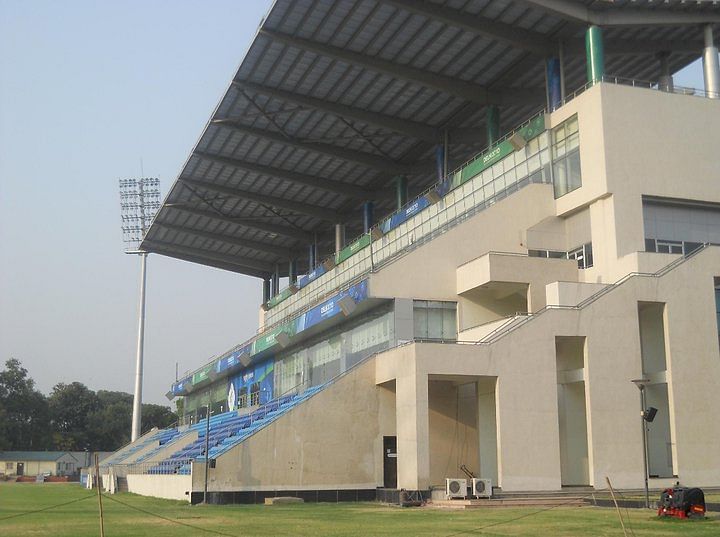
Sports & Recreation: DU is renowned for its sporting infrastructure, encouraging various inter-college and inter-university competitions.
-
Cultural / Tech Festivals: Major festivals like 'Crossroads' (SRCC), 'Revels' (Venky), and 'Harmony' (Lady Shri Ram College) are celebrated, fostering a vibrant student life.
Most Commonly Asked Questions about Delhi University Campus & Facilities
Q: Does DU have good hostel facilities?
A: Yes, many constituent colleges of the University of Delhi offer excellent and affordable hostel facilities, though the number of rooms is limited and highly sought after. Top colleges like St. Stephen’s, Miranda House, and Hindu College provide high-quality residential facilities for both boys and girls, with a competitive selection process based on merit and distance from Delhi.
Q: What is the Delhi University address?
A: The main administrative and examination wing of the University of Delhi is located on the North Campus in the picturesque area of Vice Regal Lodge, Delhi - 110007. However, the university operates primarily through two main hubs: the North Campus and the South Campus, which has its administrative block at Benito Juarez Road, South Moti Bagh.
Q: What are the major cultural fests in DU?
A: Delhi University is famous for its lively and large-scale cultural festivals, which are often national-level events. Some of the major cultural fests include 'Crossroads' at SRCC, 'Mridang' at Hindu College, 'Nexus' at Kirori Mal College, and 'Moksha' at Netaji Subhas University of Technology (NSUT, though admissions are separate). These fests are a highlight of the DU student experience.
The University of Delhi provides various scholarships to support deserving students based on merit, financial need, and specific categories. For details on how to apply and the selection process, check Delhi University Scholarships.
| Scholarship |
Eligibility |
Benefit |
| Merit-cum-Means |
High academic merit + Low parental income |
Tuition waiver (full or partial) |
| Government Schemes |
SC/ST/OBC/EWS/Minorities |
Full/Partial Fee exemption or Stipend |
| DU-Specific Endowment |
Distinction in academics/sports |
Monetary Prize / Fee Reduction |
Most Commonly Asked Questions about Delhi University Scholarships
Q: Are there scholarships for gap year students at DU?
A: The eligibility for scholarships in Delhi University primarily depends on current academic performance and parental income, not solely on whether a student took a gap year. While the gap year itself doesn't disqualify a student, they must meet the specific merit and attendance criteria of the scholarship in the current academic year to be considered for financial aid or fee concessions.
Q: What documents are needed for need-based scholarships?
A: For need-based scholarships offered by the University of Delhi, crucial documents typically include a valid Income Certificate (issued by the competent authority), the student’s academic transcripts (Class 12 and current semester marksheets), and proof of admission/fee receipt. Caste and category certificates are also required if applying under specific government-sponsored financial aid schemes.
Q: Does University of Delhi offer scholarships for PG students?
A: Yes, the University of Delhi and its departments offer several scholarships and financial aid opportunities for postgraduate (PG) students. These often include the Postgraduate Merit Scholarship, merit-based tuition fee waivers, and various government-sponsored schemes for reserved categories. Students can also avail of scholarships like the JRF/NET allowance if they qualify for research programs.
Delhi University is an affiliating and teaching Central University with a vast network of over 90 affiliated colleges. These colleges are categorized primarily into North Campus, South Campus, and Off-Campus institutions.
| College Name |
Location |
Courses Offered |
| St. Stephen’s College |
North Campus |
BA/BSc (Hons), MA/MSc |
| Hindu College |
North Campus |
BA/BSc/BCom (Hons), MA/MSc |
| Lady Shri Ram College (LSR) |
South Campus |
BA/BCom/BSc (Hons) |
| SRCC |
North Campus |
B.Com (Hons), BA (Hons) Economics |
| Miranda House |
North Campus |
BA/BSc (Hons) |
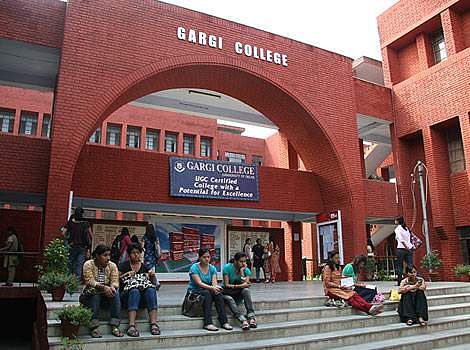
Delhi University’s North Campus includes premier colleges such as St. Stephen’s College, Hindu College, SRCC, and Miranda House, all known for high cutoffs and top-ranked humanities, commerce, and science programs. South Campus features leading institutions like Lady Shri Ram College (LSR), along with colleges such as Sri Venkateswara College, Gargi College, and Aryabhatta College.
Here is a categorized table of Delhi University Colleges by North Campus, South Campus, and Off-Campus:
Most Commonly Asked Questions about Delhi University Affiliated Colleges
Q: Which are the top 10 colleges in Delhi University?
A: The consensus top 10 colleges under the University of Delhi based on NIRF ranking and student demand usually include Miranda House, Hindu College, Lady Shri Ram College (LSR), St. Stephen’s College, Shri Ram College of Commerce (SRCC), Kirori Mal College (KMC), Hans Raj College, Sri Venkateswara College (Venky), Gargi College, and Ramjas College. These institutions set the highest cutoffs.
Q: Which DU College is best?
A: Determining the 'best' DU college depends on the stream and program. For Commerce and Economics, SRCC is often considered the top choice. For Humanities and Arts, St. Stephen’s College and LSR are highly regarded. For Science, Hindu College and Hans Raj College excel. The quality of faculty and resources remains consistently high across all these premier institutions.
Q: What is the difference between North Campus and South Campus colleges of Delhi University?
A: North Campus colleges of the University of Delhi are typically older, more centrally located, and closer to the main administrative blocks, holding a historically elite reputation. South Campus colleges are generally newer, more spread out, and have developed excellent modern infrastructure, offering the same degrees and academic standard as their North Campus counterparts.
The Delhi University offers distance and open education through the School of Open Learning (DU SOL). DU SOL provides flexible and affordable education for students who cannot attend regular classes. It offers UG and PG programs, including B.A., B.Com, M.A., and M.Com. Admission to DU SOL is primarily based on merit in the qualifying examination (Class 12 or Bachelor's degree), without requiring a CUET score for UG courses. This is an excellent option for those seeking a recognized Delhi University Distance Education degree with minimal fee requirements.
| Course |
Eligibility |
Total Fees |
| BA (Hons.) |
10+2 with 45% |
INR 30,360 - 39,360 |
| BA |
10+2 |
INR 30,360 - 39,360 |
| B.Com |
10+2 |
INR 30,360 - 31,860 |
| BBA |
10+2 with 45% |
INR 63,360 |
| BMS |
10+2 with 45% |
INR 63,360 |
| B.Com (Hons.) |
10+2 with 45% |
INR 30,360 - 31,860 |
| MBA |
Graduation with 50% |
INR 1.1 Lakhs |
| B.Lib.I.Sc |
Graduation |
INR 30,360 - 39,360 |
| M.A |
Graduation with 50% |
INR 12,820 - 22,340 |
| M.Com |
Graduation with 50% |
INR 22,340 |
Most Commonly Asked Questions about DU SOL
Q: Which courses are offered by DU SOL?
A: DU SOL offers a range of popular undergraduate and postgraduate courses in the distance learning mode. Key programs include B.A. Program, B.A. (Hons) in English, Political Science, and Economics, B.Com Program, B.Com (Hons), and M.A. in Hindi, History, Political Science, and M.Com. These provide flexible learning opportunities to thousands of students annually.
Q: Is a degree from DU SOL valid?
A: Yes, a degree awarded by the Delhi University School of Open Learning (DU SOL) is fully recognized and considered equivalent to a regular degree from the University of Delhi by the UGC and all government and private sector employers. The degree holds the same academic value for pursuing higher education, including civil services examinations and postgraduate studies.
Q: How do I apply for Delhi University Distance Education?
A: To apply for Delhi University Distance Education through DU SOL, candidates must visit the official DU SOL website during the admission cycle. The application process is entirely online. For undergraduate courses, admission is primarily based on the merit of the qualifying examination (Class 12 marks), and there is no requirement to appear for the CUET UG exam.
The Non-Collegiate Women’s Education Board (NCWEB) under Delhi University offers weekend-based learning exclusively for female students who cannot attend regular college due to work, personal, or social commitments. Unlike regular colleges, NCWEB requires attendance only on Saturdays/Sundays while allowing students to pursue jobs or coaching alongside.
NCWEB offers affordable UG (B.A., B.Com) and PG (M.A., M.Sc.) programs across its teaching centres. Admission to NCWEB is based on Class 12 merit for UG and graduation marks for PG. NCWEB is one of the most economical options under Delhi University, with annual fees much lower than regular DU colleges.
| Course |
Eligibility |
Fees |
| B.A. |
10+2 |
₹8087 yearly |
| B.Com |
10+2 |
₹8087 yearly |
| M.A. |
Graduation |
₹4,520 per semester |
| M.A. (For Non-DU graduate) |
Graduation |
₹4,620 per semester |
| M.Sc. (Mathematics) |
Graduation with Math |
₹4,520 – ₹4,620 per semester |
Most Commonly Asked Questions about NCWEB
Q: Is NCWEB better than SOL?
A: NCWEB and SOL are both part of Delhi University but they suit different types of learners. NCWEB is better for students who prefer weekend classes, teacher interaction, attendance tracking, and a semi-regular college environment. SOL is better for students who want complete flexibility with no compulsory classes. Both offer valid DU degrees accepted for jobs, exams, and higher studies.
Q: Is NCWEB only for Delhi students?
A: NCWEB is not limited to Delhi residents. Any female student from India can apply as long as she can attend the weekend classes conducted at NCWEB teaching centres in Delhi. Students from nearby states often enroll because the program allows flexibility during weekdays. The only requirement is regular attendance on Saturdays or Sundays depending on the timetable.
Q: Is an NCWEB degree the same as a regular DU degree?
A: Yes, an NCWEB degree is fully equivalent to a regular Delhi University degree. The transcript and degree certificate mention only the University of Delhi and do not specify NCWEB or SOL. Students can use this degree for all government exams, private sector jobs, and higher education admissions. It holds the same academic and professional value as regular DU programs.
Delhi University results 2025 have been released. Students who appeared for the semester exam can check their DU UG result and PG result on the university's official website using the provided official links in the following table:
| Exam Name |
Dates |
Result Link |
| Bachelor of Arts (Honours Course) Journalism – Semester VI |
July 25, 2025 |
Click Here |
| Bachelor of Arts (Vocational Studies) Management and Marketing of Insurance – Semester VI |
July 25, 2025 |
Click Here |
| Bachelor of Arts (Vocational Studies) Materials Management – Semester VI |
July 25, 2025 |
Click Here |
| Bachelor of Arts (Vocational Studies) Office Management & Secretarial Practice – Semester VI |
July 25, 2025 |
Click Here |
| Bachelor of Arts (Vocational Studies) Tourism Management – Semester VI |
July 25, 2025 |
Click Here |
Once entrance or semester exams are conducted, candidates can check their scores and the final seat allocation list on the Common Seat Allocation System (CSAS) portal. Check Delhi University Result 2025 for examination schedules and result announcements.
Most Commonly Asked Questions about Delhi University Result
Q: How to check Delhi University Result 2025 for semester exams?
A: To check the Delhi University Result 2025 for semester or annual exams, students need to visit the official DU examination website (exam.du.ac.in). They must enter their Exam Roll Number and Date of Birth to access the marksheet. The results for internal assessments are often displayed on the respective college or department notice boards.
Q: What is the procedure for re-evaluation of DU results?
A: Students dissatisfied with their semester exam scores in Delhi University can apply for re-evaluation or re-checking through the official DU examination portal. The process involves filling out a specific form and paying a statutory fee per paper within the deadline announced after the result declaration. The re-evaluation decision is considered final by the university.
Q: How does Delhi University calculate SGPA and CGPA for results?
A: DU follows the CBCS (Choice Based Credit System), where SGPA is calculated based on the credit-weighted performance in each semester. CGPA is the cumulative grade point average of all completed semesters. DU publishes the grade–credit formula and conversion table on the official exam portal.
The CUET UG 2026 Admit Card (or Hall Ticket) for Delhi University admission will be released by the NTA typically a week before the entrance exam in May 2026. Similarly, the CUET PG 2026 admit card, required for admission to DU PG programs, will also be issued by NTA ahead of the scheduled exam dates. For internal semester exams, DU admit cards are released separately by the respective colleges or departments.
Students should regularly visit the official DU examination portal for updates, download links, exam centre details, and important guidelines.
Delhi University's status as a premier institution is cemented by its extensive list of distinguished alumni who have excelled in various fields globally, adding immense brand value and authority to a DU degree.
-
Politics & Governance: Arun Jaitley, Sheila Dixit, Shashi Tharoor, Aung San Suu Kyi (Nobel Laureate).
-
Business & Finance: Raghuram Rajan (former RBI Governor), Rakesh Mohan (former Deputy Governor, RBI), Shiv Nadar (HCL Founder).
-
Arts & Entertainment: Amitabh Bachchan, Shah Rukh Khan, Konkona Sen Sharma, Imtiaz Ali.
Most Commonly Asked Questions about Delhi University Notable Alumni
Q: Who is a famous politician from DU?
A: The University of Delhi has produced numerous politicians and public servants. One of the most famous is Arun Jaitley, the former Finance Minister of India, who studied at SRCC and the Faculty of Law. Another internationally recognized political figure is Nobel Peace Laureate Aung San Suu Kyi, who graduated from Lady Shri Ram College (LSR).
Q: Which famous actors studied at the University of Delhi?
A: The list of famous actors who studied at the University of Delhi is extensive and contributes significantly to the university's vibrant image. Notable names include Bollywood superstar Amitabh Bachchan (Kirori Mal College) and global icon Shah Rukh Khan (Hans Raj College). These actors often credit their college life for fostering their creative and performing talents.
Q: Does DU have an active alumni network?
A: Yes, the University of Delhi has a very active and robust alumni network, with dedicated associations at both the university level and for individual top colleges like Hindu, SRCC, and St. Stephen’s. These networks facilitate professional connections, mentorship programs for current students, and often contribute significantly to college development funds and endowments.
Choosing the University of Delhi (DU) means selecting a path to academic excellence, unparalleled brand recognition, and immense career opportunities.
-
Academic Excellence: DU is a Central University with highly accomplished faculty, pioneering the implementation of the National Education Policy (NEP) through the UGCF 2022.
-
Brand Value: A DU degree carries significant prestige, opening doors nationally and internationally for both employment and higher studies.
-
Placements & ROI: The extremely low fees for regular courses combined with competitive average placement packages ensure one of the highest Returns on Investment (ROI) in Indian higher education.
-
Student Life & Network: With students coming from all corners of India and the world, the vibrant college atmosphere and the affiliated college network offer a rich, diverse, and transformative student life experience.
When comparing Central Universities in Delhi, Delhi University, Jawaharlal Nehru University (JNU), and Jamia Millia Islamia (JMI) offer distinct educational profiles.
| Feature |
Delhi University |
JNU |
Jamia Millia Islamia |
| NIRF Rank (2025) |
5 (University) |
10 (University) |
12 (University) |
| Avg Package |
₹9.5–12.5 LPA (Top Colleges) |
₹6–8 LPA (Predominantly PG) |
₹6–8 LPA (Tech & Management) |
| Campus Size |
Multiple Campuses (North/South/Off) |
Single Campus (Residential) |
Large Residential |
| Flagship Programs |
BA, BCom, BSc, B.Tech |
MA/PhD (Social Sciences, Languages) |
B.Tech, BA, Law |
| Affiliated Colleges |
90+ |
None |
Few |
Most Commonly Asked Questions about Delhi University vs JNU vs Jamia Milia Islamia
Q: Between DU, JNU, and JMI, which university is better for Arts/Humanities?
A: For undergraduate Arts/Humanities programs such as BA (Hons), Delhi University is generally preferred because of its strong college ecosystem and top colleges like Hindu College, LSR, and Miranda House. For postgraduate and research-level studies in Social Sciences and Languages, JNU is often considered the better choice because of its strong research focus. Jamia also offers solid Humanities programs but is more known for integrated and professional courses.
Q: Which university among DU, JNU, and Jamia Millia Islamia has the best faculty?
A: All three universities have highly qualified faculty. JNU is well known for its faculty strength in Social Sciences, International Studies, and Languages. Delhi University has a very large faculty base across more than 90 colleges and central departments, especially in Commerce, Law, and Sciences. Jamia Millia Islamia also has strong faculty in Mass Communication, Law, Social Sciences, and Engineering.
Q: Which campus is larger, Delhi University, JNU, or Jamia Millia Islamia?
A: JNU and Jamia Millia Islamia have large, integrated, and fully residential campuses. JNU in particular is known for its expansive and green campus area. Jamia also has a consolidated residential campus with modern academic and student facilities. Delhi University is spread across multiple locations such as North Campus, South Campus, and affiliated colleges, which gives it a large overall footprint but not a single unified campus space.
Delhi University extends its academic affairs globally by reaching out to fraternal institutions worldwide for collaborative programs, research, and student exchange programs. It has signed MoUs with partner universities across 35+ countries. The following is a list of some of the partner universities.
International Collaborations
| Countries |
Partner Universities |
| Canada |
Concordia University, University of British Columbia |
| Australia |
Macquarie University, University of Wollongong, University of Melbourne |
| France |
Université Paul-Valéry Montpellier 3, Université Jean Moulin Lyon 3 |
| USA |
The State University of New York at Oswego, California State University, Fresno |
| UK |
King’s College London/ University of Bradford, University of Edinburgh, Bath Spa University |
| Switzerland |
The University of Teacher Education, State of Vaud |
National Collaborations
- Delhi University Computer Centre
- Ladakh University
- ICT Academy
- National Law University Delhi
- National Buildings Construction Corporation Limited (NBCC)
- Dorjee Khandu Government College Tawang (DKGCT), Arunachal Pradesh
- Defence Research and Development Organization
- Department of Anthropology, Kalinga Institute of Social Science
![Delhi University [DU]](https://media.getmyuni.com/azure/college-image/small/university-of-delhi-du-new-delhi.jpg)